Ghost Gun Laws Are Coming — And They Could Affect Every 3D Printer Owner
New proposed laws targeting "ghost guns" could restrict 3D printing and require scanning of everything you print. Here's what beginners need to know.
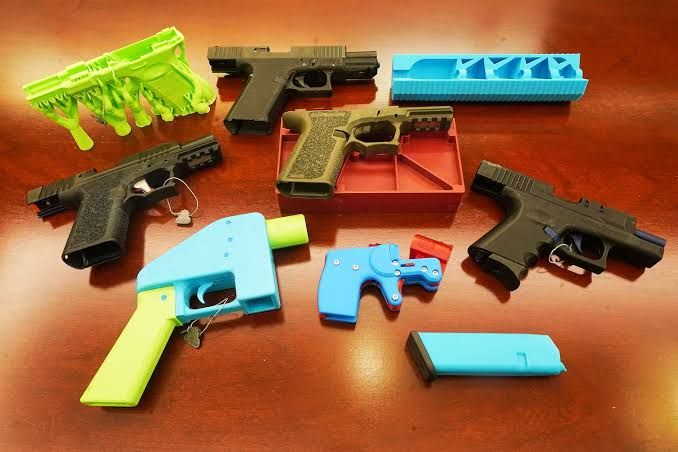
New legislation targeting so-called "ghost guns" is sparking serious debate in the 3D printing community, and even if you've never thought about printing anything controversial, this conversation could directly affect your hobby.
What Happened (In Plain English)
A discussion blowing up on the r/3Dprinting subreddit is raising the alarm about proposed laws designed to crack down on "ghost guns" — that's the term used for untraceable, homemade firearms, some of which can be 3D printed at home.
Here's where it gets interesting for everyday makers: the proposed measures don't just target people printing weapons. To effectively stop ghost guns, lawmakers may need to regulate all 3D printers, not just the ones being misused.
One of the most talked-about possibilities? A mandatory scanning system built into 3D printers (or required as add-on technology) that would analyze every object you print and flag anything that resembles a firearm component. Think of it like an airport X-ray machine, but for your desktop printer checking each layer of plastic before it's laid down.
Other proposals floating around include requiring registration of 3D printers, licensing systems for owners, or restrictions on which design files (called STL files — the blueprints you feed into a printer) can legally be downloaded and used.
Should You Care?
Yes, absolutely — even if you only print cute figurines and replacement parts.
If scanning or registration requirements become law, every 3D printer owner would likely be affected. That means:
- Your printer could be required to "phone home" (connect to an external server and report what you're printing)
- Certain design files could become restricted or illegal to download, even innocent ones that happen to have shapes that trigger automated detection systems
- New printers could be significantly more expensive if manufacturers are required to build in compliance technology
- Older printers might become illegal to operate without costly upgrades
The tricky part is that automated scanning systems aren't perfect. A bracket that holds a shelf up and a firearm part can look surprisingly similar to a computer algorithm (a set of instructions a computer follows to make decisions). Hobbyists worry about false positives causing legal headaches for completely innocent prints.
Right now, no law has passed, and these are still proposals and discussions. But the conversation is moving fast, especially in the United States, and the 3D printing community is watching closely.
What should you do right now?
- Stay informed and follow updates from 3D printing advocacy groups
- Consider joining community discussions — hobbyist voices matter in shaping these laws
- Don't panic-buy equipment, but be aware this space is changing
The Takeaway
Laws designed to stop 3D-printed ghost guns could end up placing surveillance and restriction requirements on every 3D printer owner — meaning your harmless hobby might soon come with legal strings attached.
Source: r/3Dprinting on Reddit